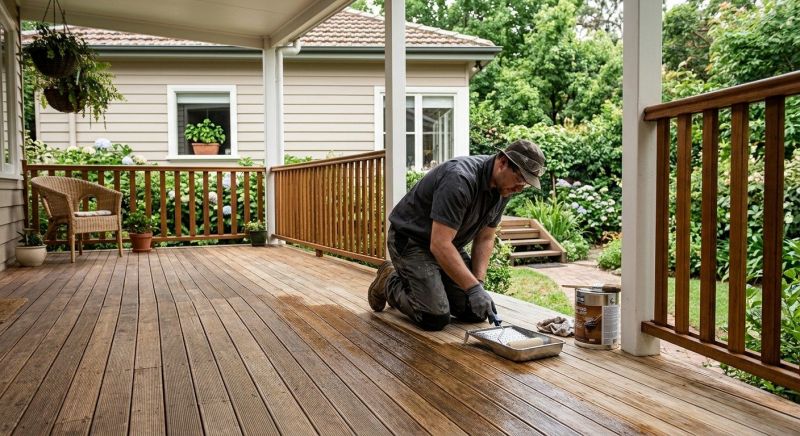
Veranda Sealing in Seattle, WA
Veranda sealing services involve applying protective coatings to outdoor porch or patio structures to help preserve the wood and extend their lifespan. This process typically covers projects such as sealing existing verandas, porches, or decks to prevent damage caused by moisture, UV rays, and everyday wear. Property owners often seek this service to maintain the appearance of their outdoor spaces, reduce the need for frequent repairs, and ensure that their verandas remain safe and visually appealing over time.
Before requesting veranda sealing, homeowners usually want to understand the types of sealants used, the preparation required prior to application, and how often the sealing should be reapplied for optimal results. It’s also important to consider the current condition of the wood or material, as severely damaged surfaces may need repairs before sealing. Clear communication about the scope of work and maintenance expectations can help property owners make informed decisions about protecting their outdoor living areas.
Many property owners in Seattle, WA look into Veranda Sealing for repairs, replacements, upgrades, and appearance-related improvements.
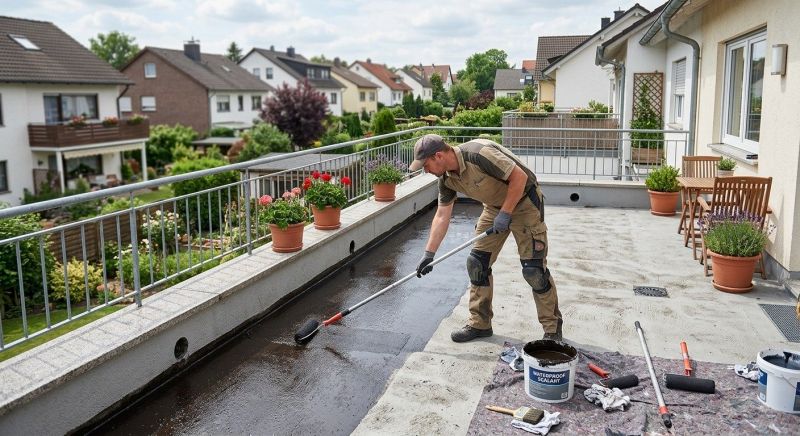
Veranda Sealing Benefits
Proper sealing helps protect your veranda from moisture and weather damage.
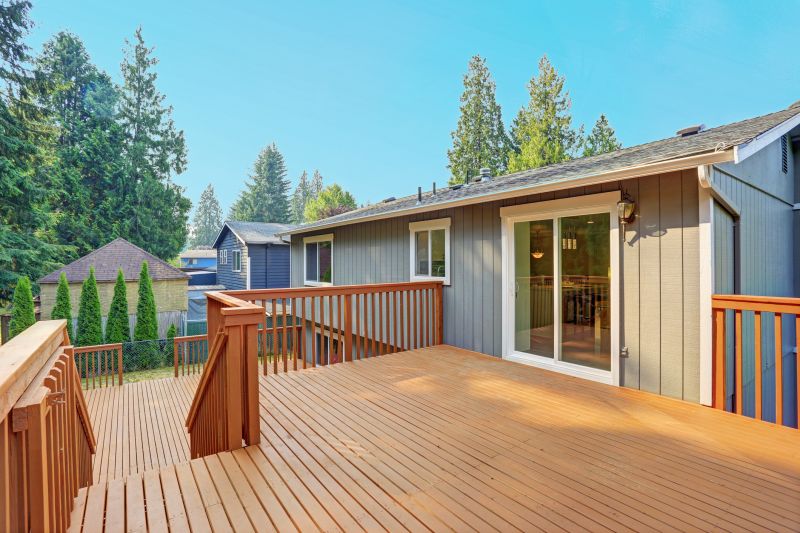
Sealing Techniques And Materials
High-quality sealants improve durability and extend the life of your outdoor space.
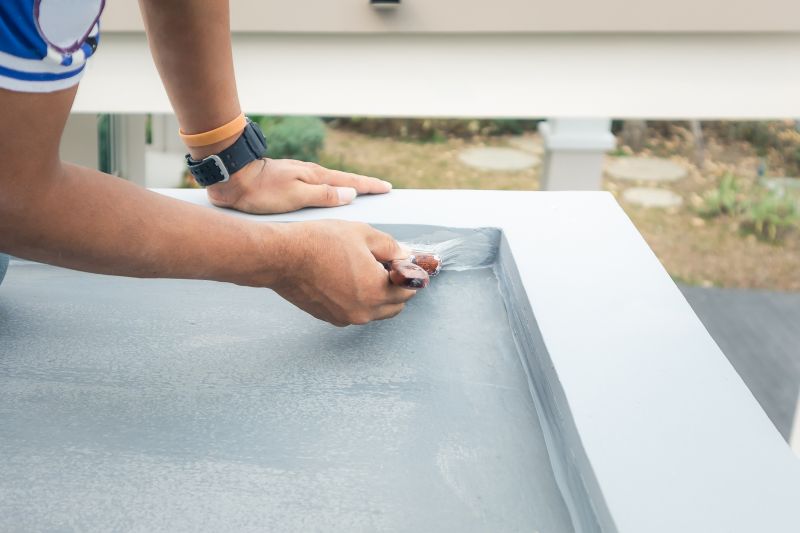
Maintenance And Care Tips
Regular sealing ensures your veranda remains attractive and resistant to wear in seattle's climate.
Veranda Sealing in Seattle, WA

Veranda sealing services involve applying protective coatings to outdoor porch or patio structures to help preserve the wood and extend their lifespan. This process typically covers projects such as sealing existing verandas, porches, or decks to prevent damage caused by moisture, UV rays, and everyday wear. Property owners often seek this service to maintain the appearance of their outdoor spaces, reduce the need for frequent repairs, and ensure that their verandas remain safe and visually appealing over time.
Before requesting veranda sealing, homeowners usually want to understand the types of sealants used, the preparation required prior to application, and how often the sealing should be reapplied for optimal results. It’s also important to consider the current condition of the wood or material, as severely damaged surfaces may need repairs before sealing. Clear communication about the scope of work and maintenance expectations can help property owners make informed decisions about protecting their outdoor living areas.
Many property owners in Seattle, WA look into Veranda Sealing for repairs, replacements, upgrades, and appearance-related improvements.
Common Veranda Sealing Jobs
Veranda sealing - protects wood surfaces from moisture and weather damage.
Deck sealing - extends the lifespan of outdoor decks by preventing water penetration.
Porch sealing - helps maintain the appearance and structural integrity of porch surfaces.
Patio sealing - guards against stains, mold, and surface deterioration on paved areas.
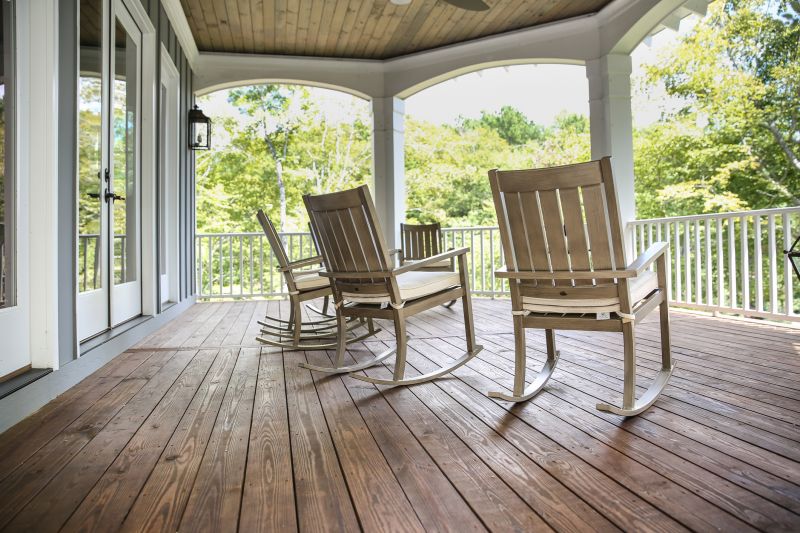
Wood veranda sealing - preserves the natural look of wood while preventing rot and decay.
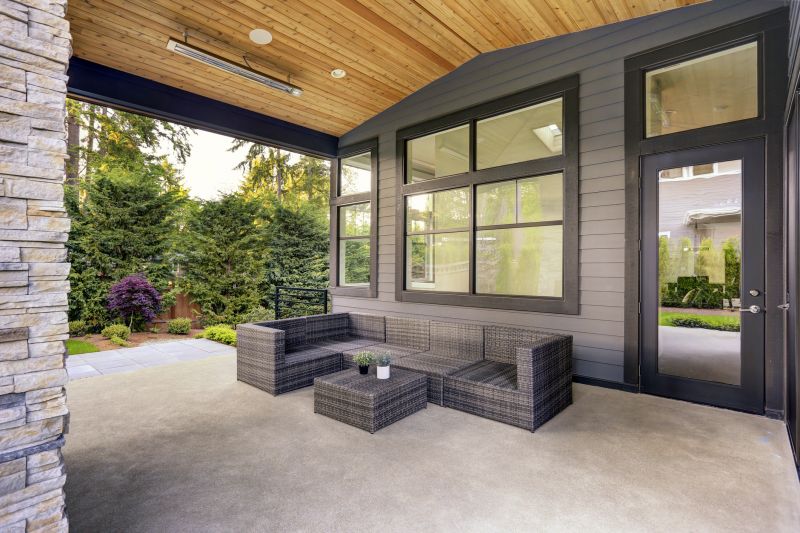
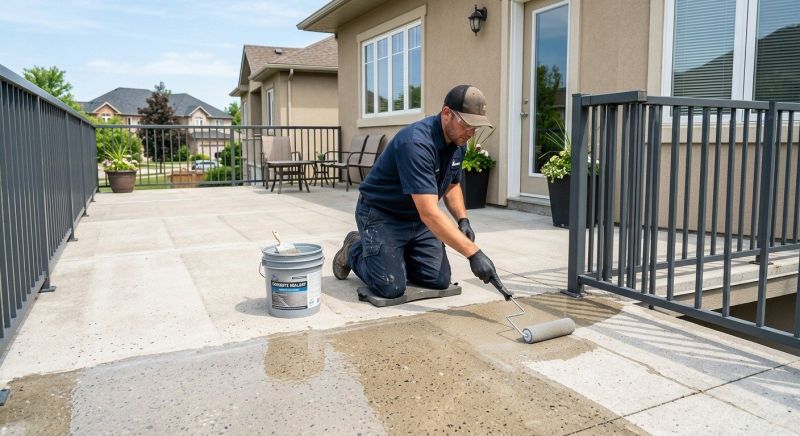
Concrete veranda sealing - reduces surface porosity and minimizes damage from freeze-thaw cycles.
Veranda Sealing Questions
Why should a homeowner consider sealing a veranda? Sealing helps protect the wood from moisture, UV damage, and wear, extending its lifespan and maintaining its appearance.
How often does a veranda need sealing? Typically, sealing should be reapplied every 1 to 3 years, depending on exposure and weather conditions.
What types of sealants are used for veranda sealing? A variety of sealants, including penetrating oils and surface coatings, are used to provide water resistance and durability.
Is veranda sealing suitable for all types of wood? Most common wood types used for verandas can be sealed effectively; specific products may vary based on the wood material.
Request Veranda Sealing in Seattle, WA
Use the quote form on this page to share the basics of your project and request more information for the type of work you need.