How Often Roof Cleaning Should Be Scheduled
People searching for how often roof cleaning should be scheduled are typically looking to maintain their roof’s appearance and longevity, and local contractors can help determine the right cleaning frequency based on their specific needs.
If you’re wondering how often roof cleaning should be scheduled, you’re in the right place. Property owners in the area often find that regular roof maintenance helps preserve the integrity and appearance of their homes. Factors like local weather patterns, nearby trees, and common debris can influence the ideal cleaning frequency. Keeping an eye on your roof’s condition and understanding how often cleaning is recommended can prevent issues such as mold, moss buildup, and damage caused by accumulated grime. Local contractors who specialize in roof cleaning services are well-equipped to assess your specific needs and recommend a schedule that keeps your roof in top shape.
Continuing to explore this topic can reveal practical benefits for property owners looking to maintain their investment. Regular roof cleaning not only enhances curb appeal but can also extend the lifespan of roofing materials. Many local service providers offer tailored maintenance plans designed to fit different types of roofs and environmental conditions. By staying informed about how often roof cleaning should be scheduled, homeowners and property managers can make smarter decisions about upkeep and avoid costly repairs down the line. Connecting with experienced local contractors ensures that the job is done right, helping you keep your roof clean and protected over time.
- Asphalt shingle roofs - local contractors often recommend scheduling roof cleaning annually or biannually to prevent algae buildup and maintain roof integrity.
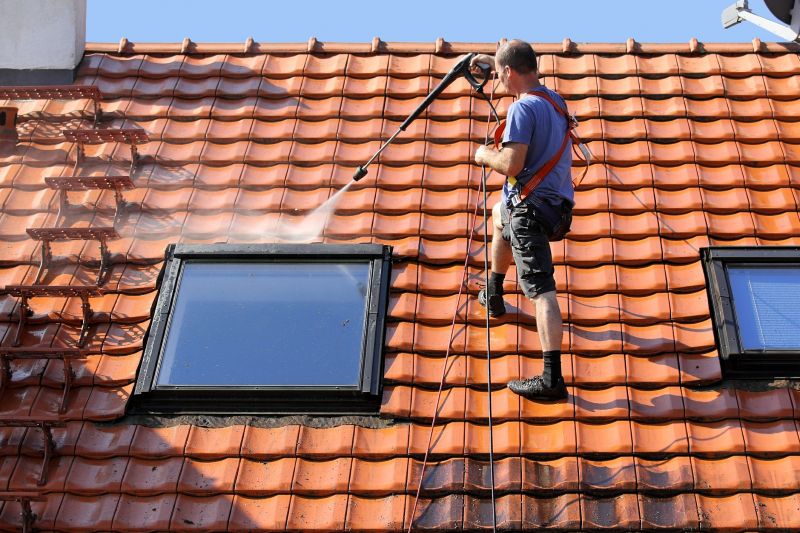
- Tile roofs - service providers suggest cleaning every 2-3 years, especially in areas with high moss or lichen growth, to extend roof lifespan.
- Metal roofs - local pros typically advise inspections and cleanings every 1-2 years to remove debris and avoid corrosion.
- Wood shake roofs - experts recommend more frequent cleanings, about once a year, to prevent moss and mold from causing damage.
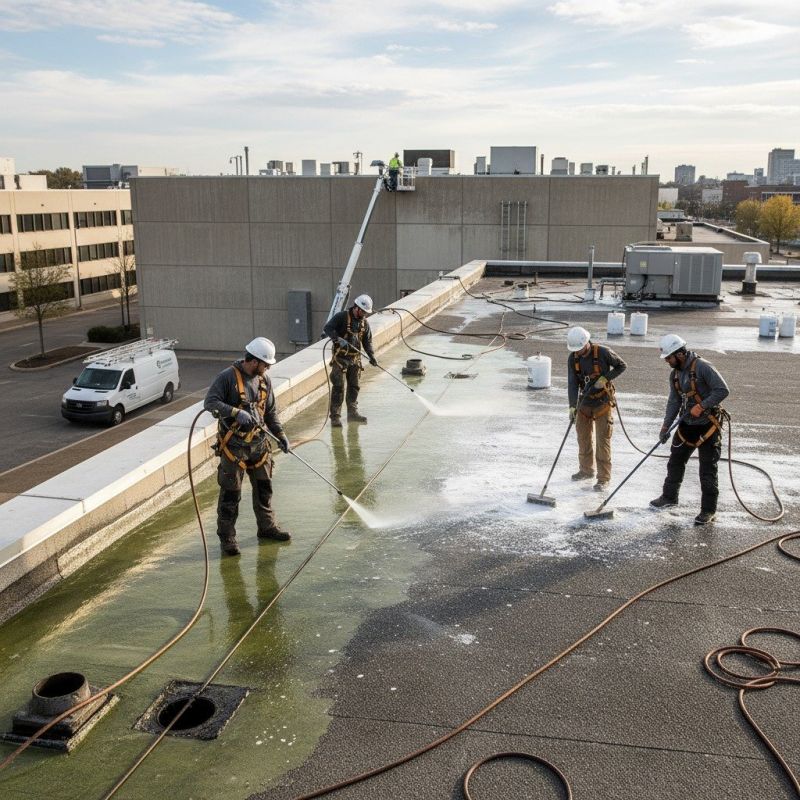
- Flat roofs - service providers often suggest cleaning once a year, particularly in regions prone to standing water or debris accumulation.
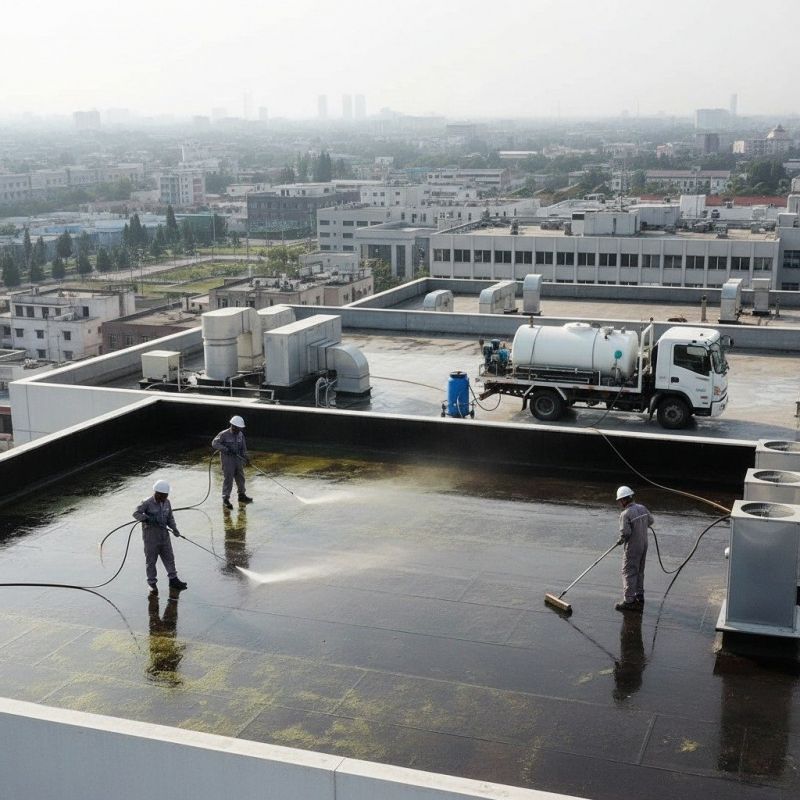
When homeowners search for information about how often roof cleaning should be scheduled, they are typically trying to determine a maintenance routine that keeps their roofs in good condition while preventing issues like mold, algae, moss, or accumulated debris. Many people are interested in understanding the ideal frequency to maintain the roof’s appearance and longevity, especially as part of their overall property upkeep. This topic often relates to broader plans for home maintenance, property value preservation, and preventing costly repairs caused by neglect. Homeowners may also be considering scheduling roof cleaning services to prepare for seasonal changes, upcoming sales, or simply to keep their homes looking well-maintained.
The question of how often roof cleaning should be scheduled ties closely to common problems such as moss growth, algae buildup, and the accumulation of leaves or debris that can trap moisture. These issues tend to develop more rapidly in shaded areas or regions with higher humidity and rainfall. For many property owners, scheduling regular roof cleanings helps manage these problems before they cause damage or reduce the roof’s lifespan. Additionally, some plans for property improvement or renovation projects include roof cleaning as a key step, making it important to understand the recommended frequency to coordinate with other maintenance activities.
Different types of properties come up frequently when discussing how often roof cleaning should be scheduled. Residential homes, especially those with asphalt shingles, tile, or wood shakes, often benefit from routine cleanings every one to three years. Commercial buildings, which may have flat roofs or different materials, might require more specialized attention and different schedules. Properties in heavily wooded areas or regions with frequent storms might need more frequent cleanings to remove debris and prevent moss or algae growth. Understanding the specific needs of each property type helps homeowners and property managers plan appropriate maintenance schedules and seek out service providers experienced with their particular roof styles and materials.
Local roof cleaning service providers play a vital role in helping property owners determine the right schedule for their roofs. These service providers can assess the roof’s condition, consider the local climate, and identify specific issues that might accelerate wear or damage. By providing expert advice tailored to each property’s unique circumstances, they support homeowners in establishing a maintenance routine that balances cost, effectiveness, and longevity. Connecting with experienced local contractors ensures that roof cleaning is performed at appropriate intervals, helping to prevent problems before they develop and maintaining the overall health and appearance of the roof over time.
Gutter Cleaning Services - gutter cleaning often involves similar planning and tools as roof cleaning, making it a related project that local contractors frequently handle on a schedule that complements roof maintenance.
Roof Inspection Services - regular roof inspections help determine the appropriate timing for roof cleaning, and local pros can assess when cleaning is needed based on roof condition and buildup.
Power Washing Services - power washing exterior surfaces shares techniques and equipment with roof cleaning, and scheduling these services together can optimize property maintenance routines.
Exterior House Cleaning - cleaning the exterior walls and surfaces often coincides with roof cleaning, requiring similar planning and tools for a comprehensive approach to property upkeep.
Moss and Algae Removal - specialized treatments for moss and algae are part of roof cleaning services, and managing their growth involves understanding how often these issues recur.
Debris Removal Services - clearing leaves and debris from roofs and gutters supports the effectiveness of roof cleaning, and local contractors can coordinate these tasks for optimal scheduling.
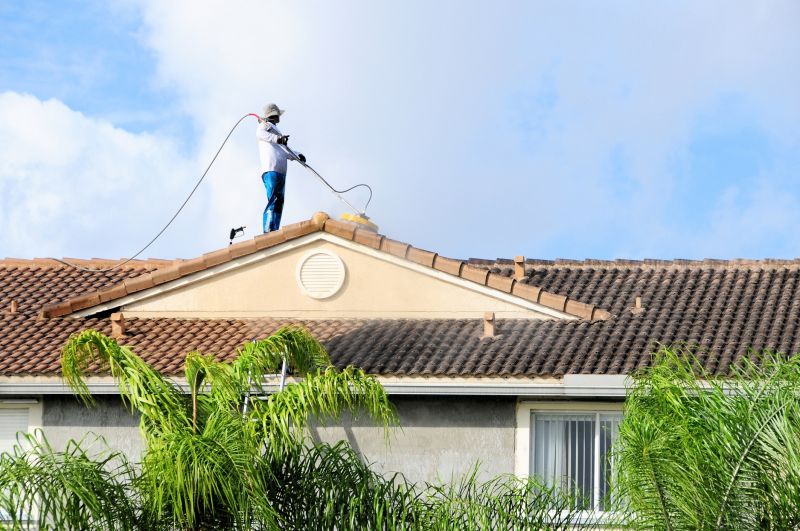
When evaluating roof cleaning service providers, it is important to consider their experience with similar projects. Homeowners should look for local contractors who have a proven track record of handling roof cleaning tasks comparable to their own, as this can indicate familiarity with different roof types and common issues. Clear written expectations are also essential; service providers should be able to outline what the cleaning process involves, how often it should be scheduled based on the roof’s condition, and what results to expect. This transparency helps ensure that homeowners understand the scope of work and can make informed decisions about the appropriate frequency for roof cleaning.
Reputable references serve as a valuable resource when comparing local roof cleaning services. Asking for references or reviews from previous clients can provide insights into the contractor’s reliability, quality of work, and professionalism. Homeowners should seek out service providers who can demonstrate consistent customer satisfaction and positive feedback. Good communication is equally important, as it facilitates a clear exchange of information regarding the roof’s condition, maintenance recommendations, and scheduling preferences. Service providers who listen attentively and respond promptly are more likely to deliver a seamless experience and help determine how often roof cleaning should be scheduled to maintain optimal roof health.
Ultimately, choosing a qualified local contractor involves balancing experience, clear expectations, and reputable references. Homeowners should prioritize service providers who can offer detailed guidance tailored to their specific roof type and local conditions. Good communication ensures that homeowners understand the reasoning behind recommended cleaning schedules and can plan accordingly. By focusing on these factors, homeowners can find trusted professionals capable of providing consistent, effective roof cleaning services that align with their needs and help maintain the roof’s integrity over time.
Property owners often search for how often roof cleaning should be scheduled when they are planning practical projects around their homes and businesses. Local pros provide Roof Cleaning Service services for everyday jobs and straightforward project options.
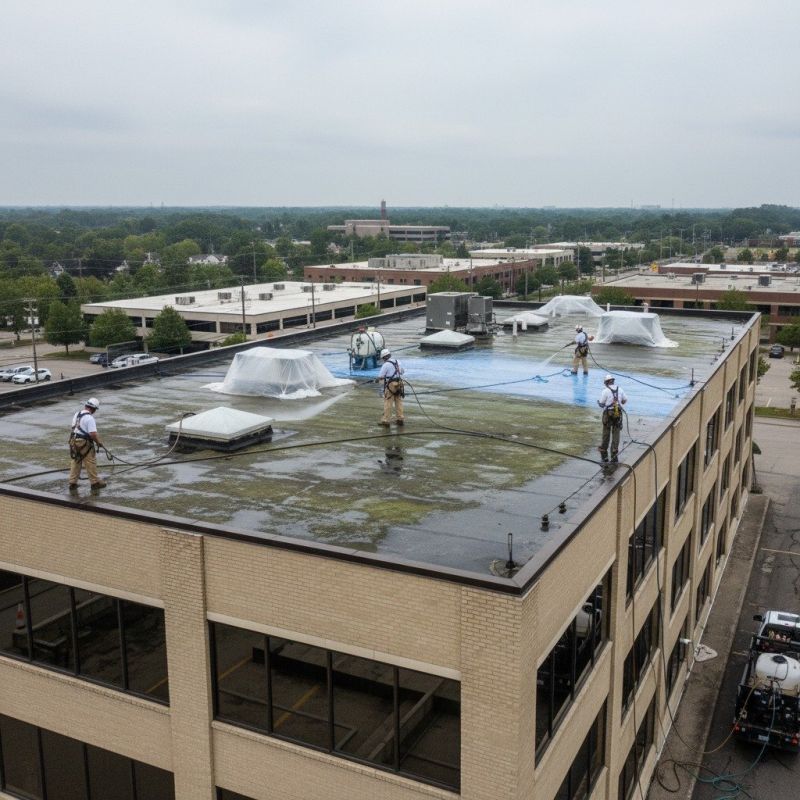
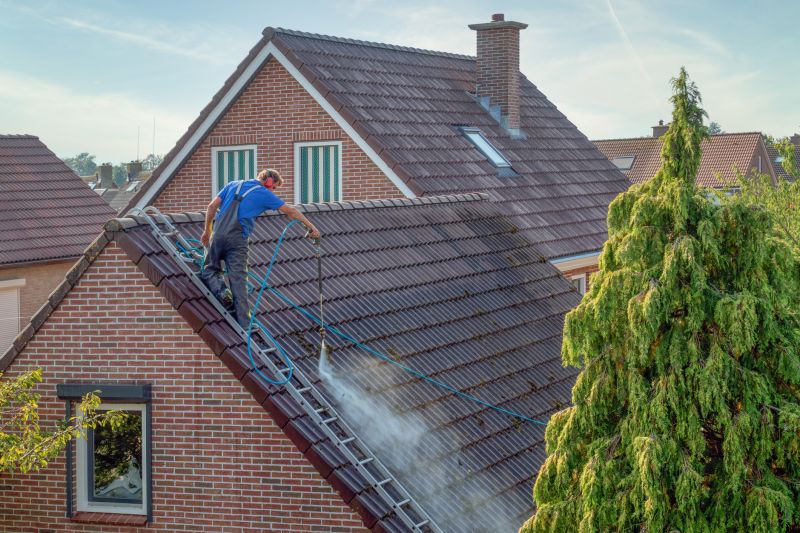
Property owners in the area often wonder how frequently roof cleaning should be scheduled to maintain their home's appearance and prevent potential damage. In general, many local contractors recommend scheduling roof cleaning at least once every couple of years, especially in regions prone to moss, algae, or debris buildup. Regular cleaning helps remove accumulated grime, which can lead to issues like shingle deterioration or water drainage problems. Homeowners who notice dark streaks, moss growth, or excessive debris on their roofs might consider consulting local service providers to determine an appropriate cleaning schedule based on their specific environment.
For those living in areas with high humidity or frequent rainfall, more frequent roof cleaning may be advisable to keep the roof in good condition. Local roof cleaning services can assess the roof's current state and recommend a schedule that aligns with local climate conditions and the property's needs. By working with experienced service providers, property owners can ensure their roofs stay in optimal shape, reducing the risk of costly repairs down the line. Regular maintenance through professional cleaning is a practical step in preserving the longevity and appearance of the roof.
How often should roof cleaning be scheduled? Typically, roof cleaning is recommended once every one to three years, depending on local environmental conditions and the presence of debris or moss. Local contractors can assess your roof's condition and advise on an appropriate schedule.
What factors influence how frequently roof cleaning should be done? Factors such as tree coverage, weather patterns, and the growth of moss or algae can affect the ideal cleaning frequency. Service providers can evaluate these elements to determine a suitable maintenance plan.
Is there a standard interval for roof cleaning services? While a common recommendation is every one to two years, some roofs may require more frequent cleaning if they are prone to moss buildup or heavy debris. Consulting with local pros helps establish the right interval for your roof.
Can the type of roofing material affect how often it should be cleaned? Yes, different roofing materials have varying resistance to moss, algae, and debris accumulation. Local contractors can advise on cleaning schedules tailored to the specific material of a roof.
Why is it important to follow a regular roof cleaning schedule? Regular cleaning helps prevent damage caused by moss, algae, and debris, extending the lifespan of the roof. Professional service providers can recommend maintenance intervals to keep the roof in good condition.
Seasonal considerations - property owners can evaluate how often roof cleaning should be scheduled based on seasonal changes and weather patterns, with local contractors providing guidance on optimal timing.
Environmental factors - in areas prone to heavy leaf fall or moss growth, scheduling roof cleaning more frequently ensures the buildup is managed effectively by local service providers.
Roof material type - different roofing materials may require varying cleaning intervals, and local pros can advise on maintenance schedules tailored to the specific roof type.
Property location - properties in humid or shaded areas might need more frequent cleanings, with local contractors helping determine the best schedule for maintaining roof integrity.
If you are thinking about how often roof cleaning should be scheduled for a property, this guide is meant to help you understand this topic, the typical project types, and how different options might fit your plans.
When you are ready, you can use the quote form on this page to share a few details about your project. From there, local pros can review the basics and follow up with options that match what you have in mind.